Skip Navigation
Search

Feature Story: CIV Students Build Bridges of Innovation at 2nd Annual BRIDGES Conference
This past Thursday, the Student Activities Center (SAC) was transformed into a hub of interdisciplinary discovery as the Stony Brook Graduate Magazine hosted its 2nd Annual B.R.I.D.G.E.S. Conference. While the event drew researchers from over 30 departments across campus, the Department of Civil Engineering (CIV) made a particularly strong showing, with several students presenting posters that highlight the future of resilient and sustainable infrastructure.
CIV Presenter Lineup
| Presenter Name | Faculty Advisor | Poster Title / Research Topic | |
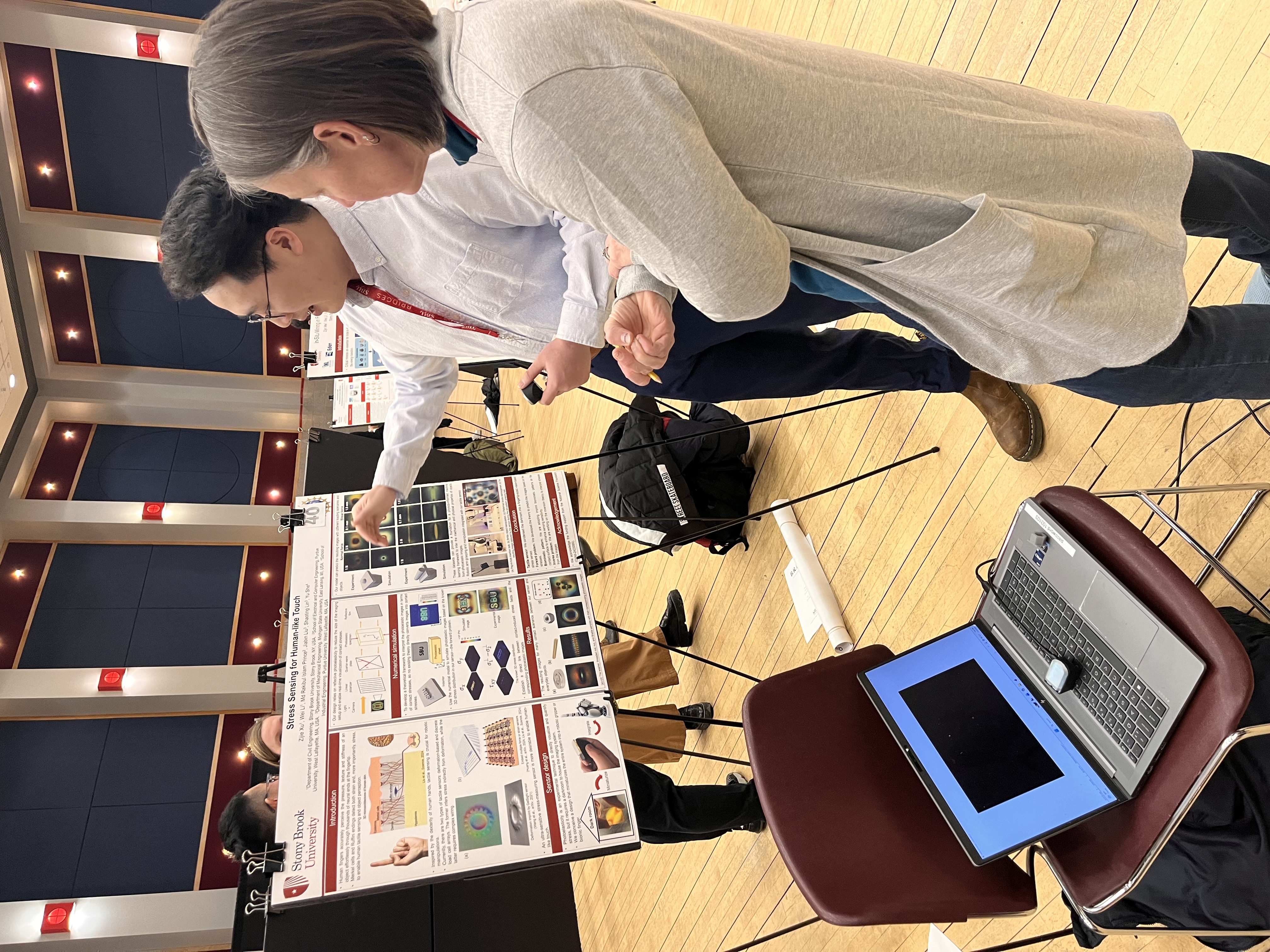 |
Zijie Xu | Wei Li | Stress Sensing for Human-Like Touch |
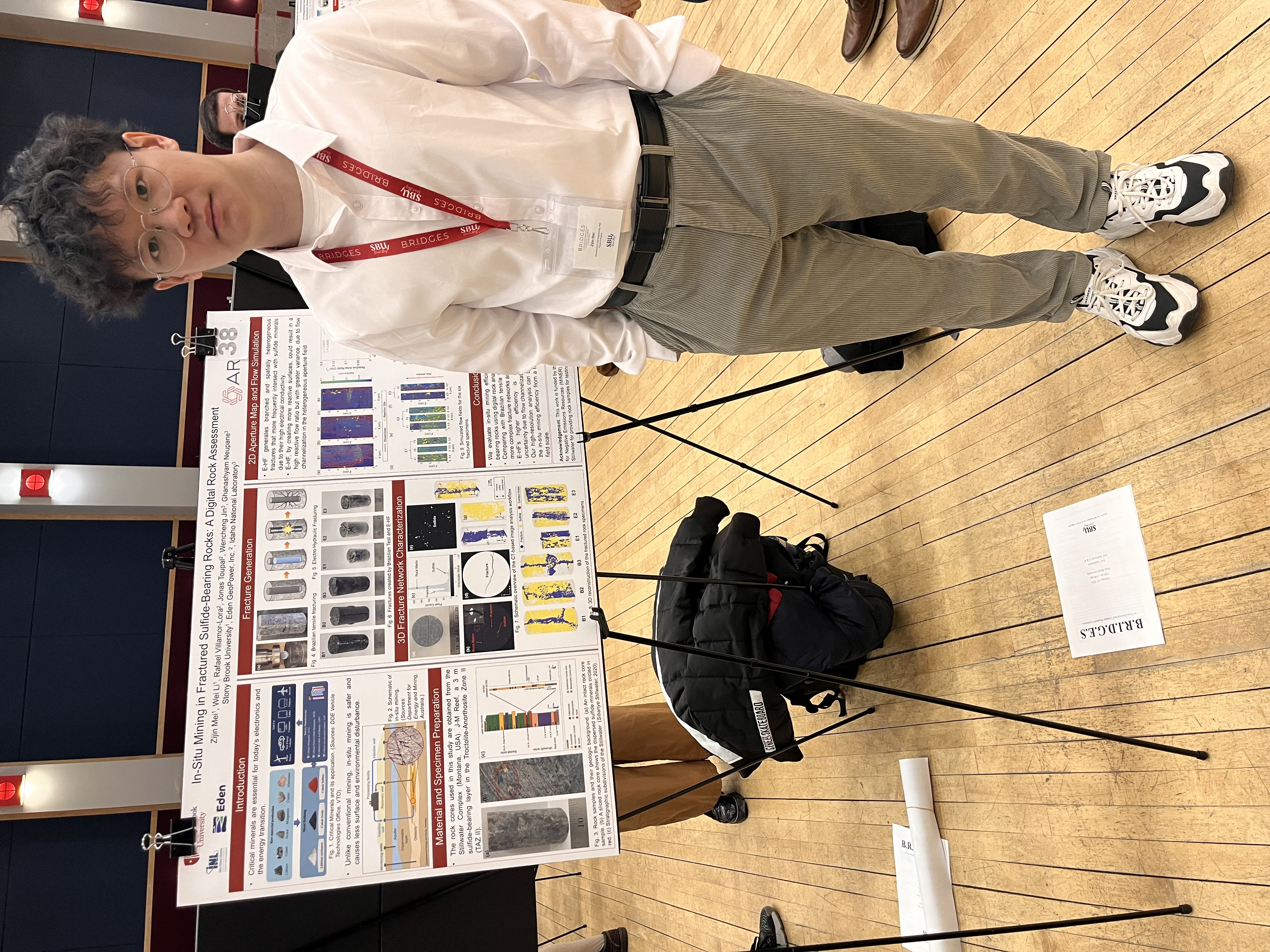 |
Zijin Mei | Wei Li | In-Situ Mining in Fractured Sulfide-Bearing Rocks: A Digital Rock Assessment |
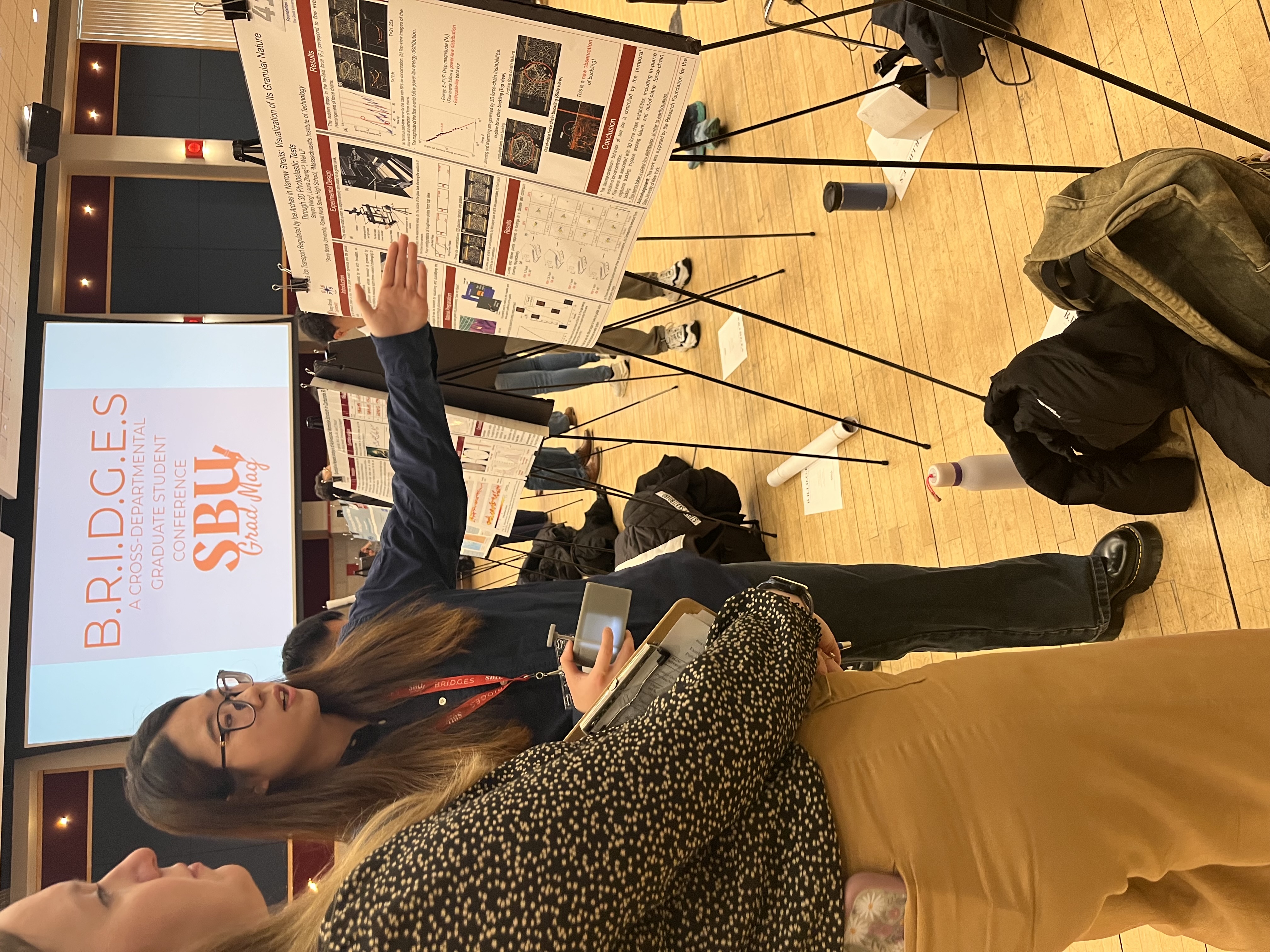 |
Shiyao Wang | Wei Li | Sea Ice Transport Regulated by Ice Arches in Narrow Straits: Visualization of Its Granular Nature Through 3D Photoelastic Tests |
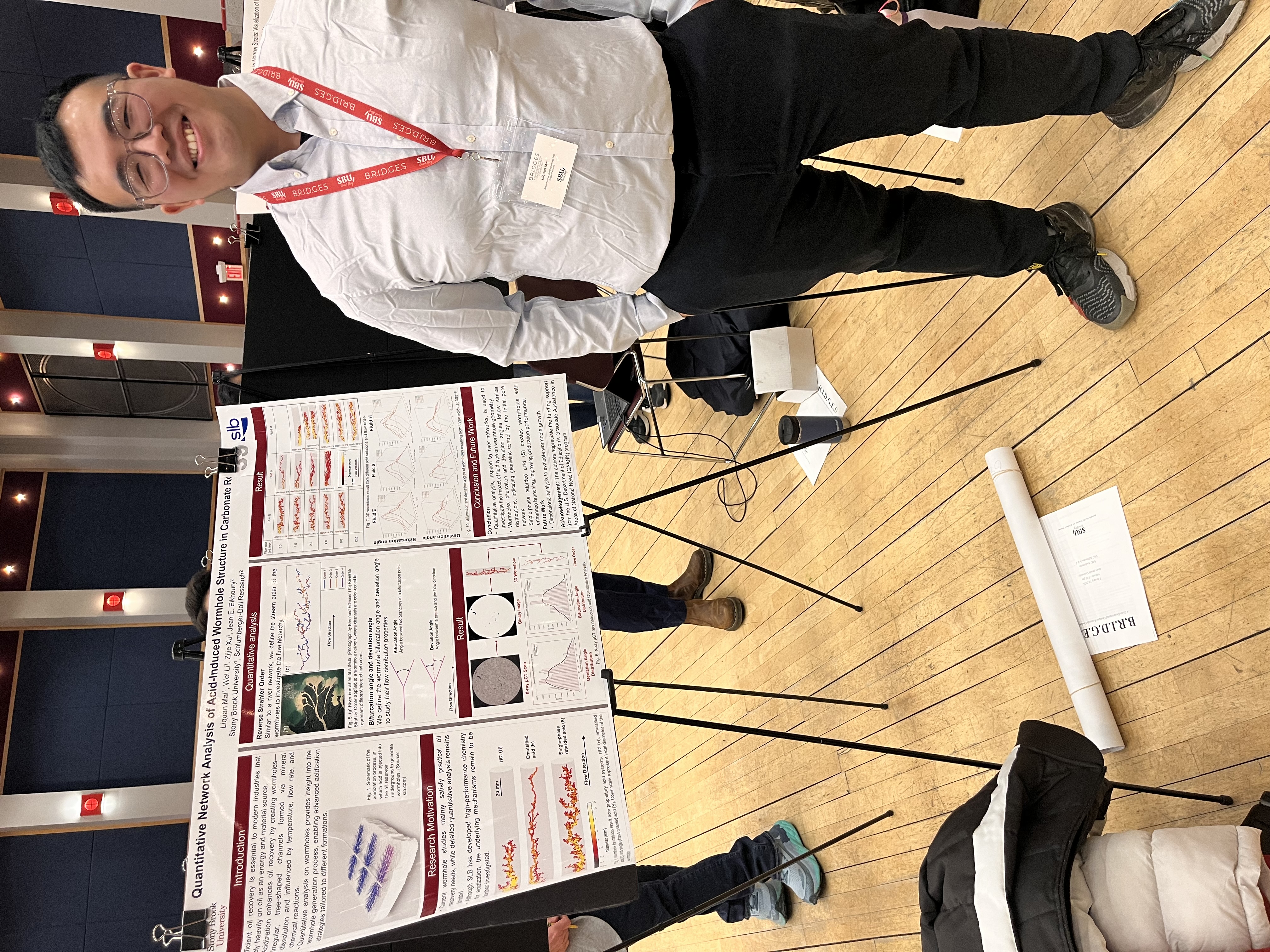 |
Liquan Mai | Wei Li | Quantitative Network Analysis of Acid-Induced Wormhole Structure in Carbonate Rocks |
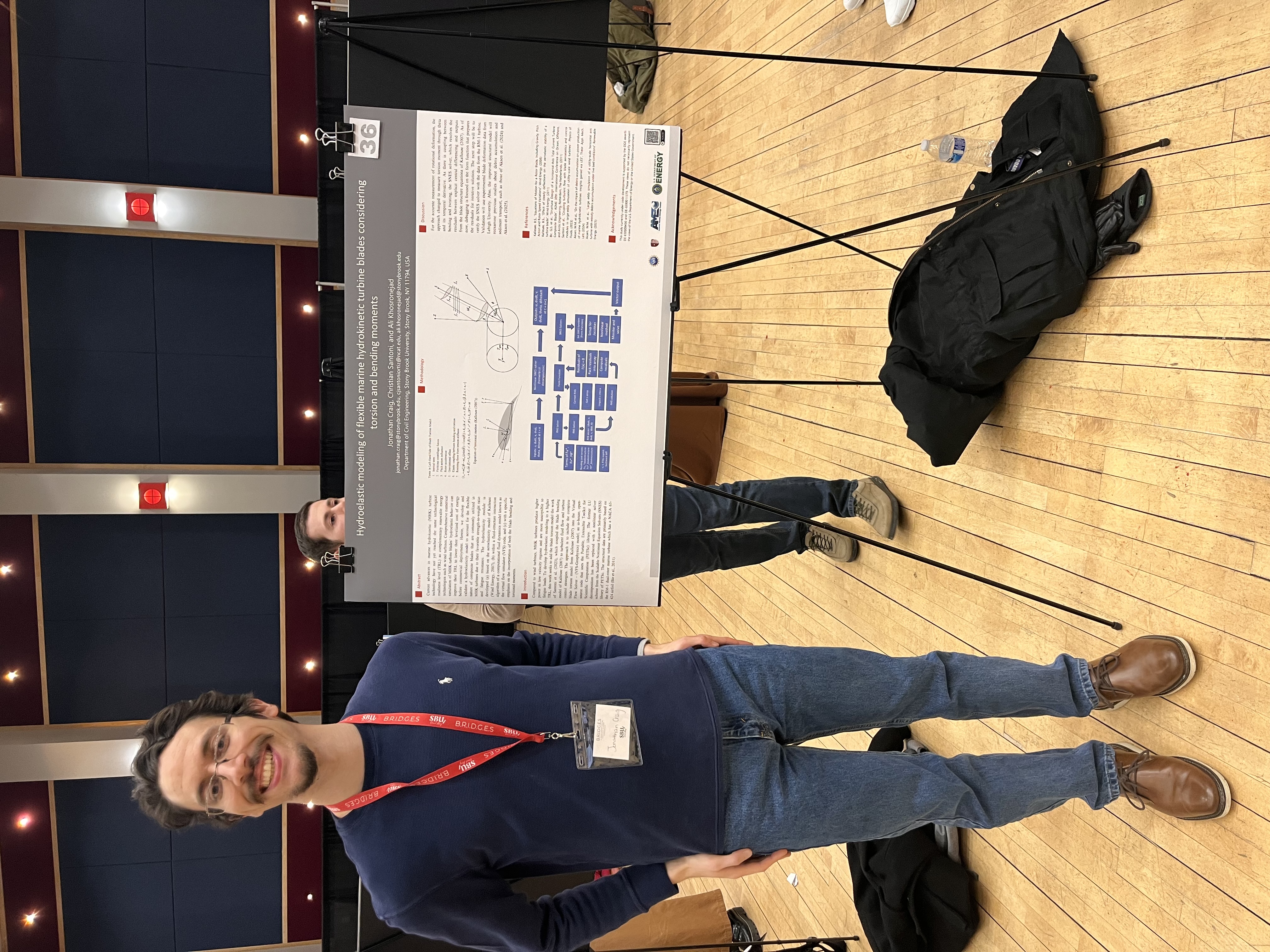 |
Jonathan Craig | Ali Khosronejad | Hydroelastic modeling of flexible marine hydrokinetic turbine blades considering torsion and bending moments |
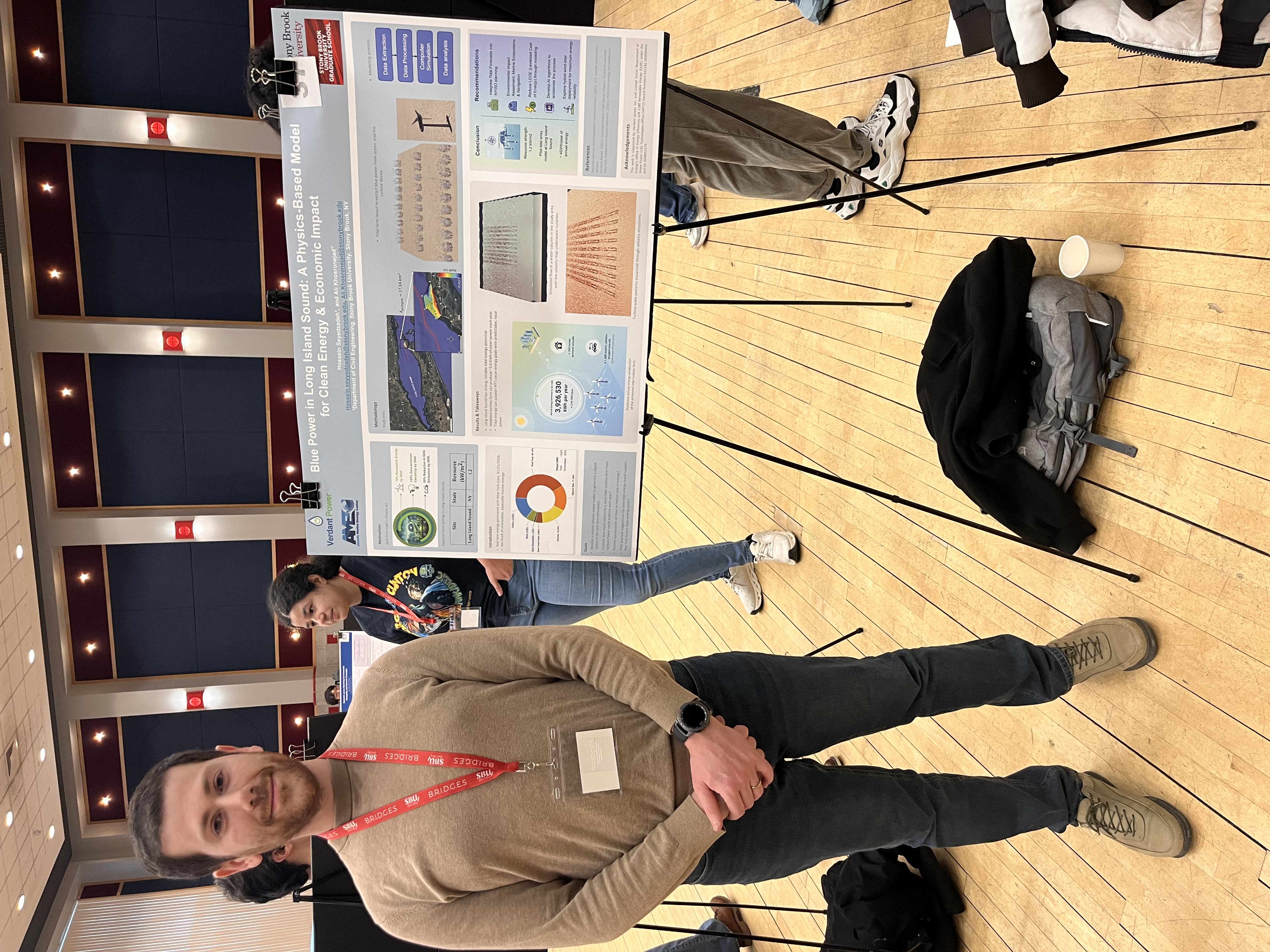 |
Hossein Seyedzadeh | Ali Khosronejad | Blue Power in Long Island Sound: A Physics-Based Model for Clean Energy & Economic Impact |
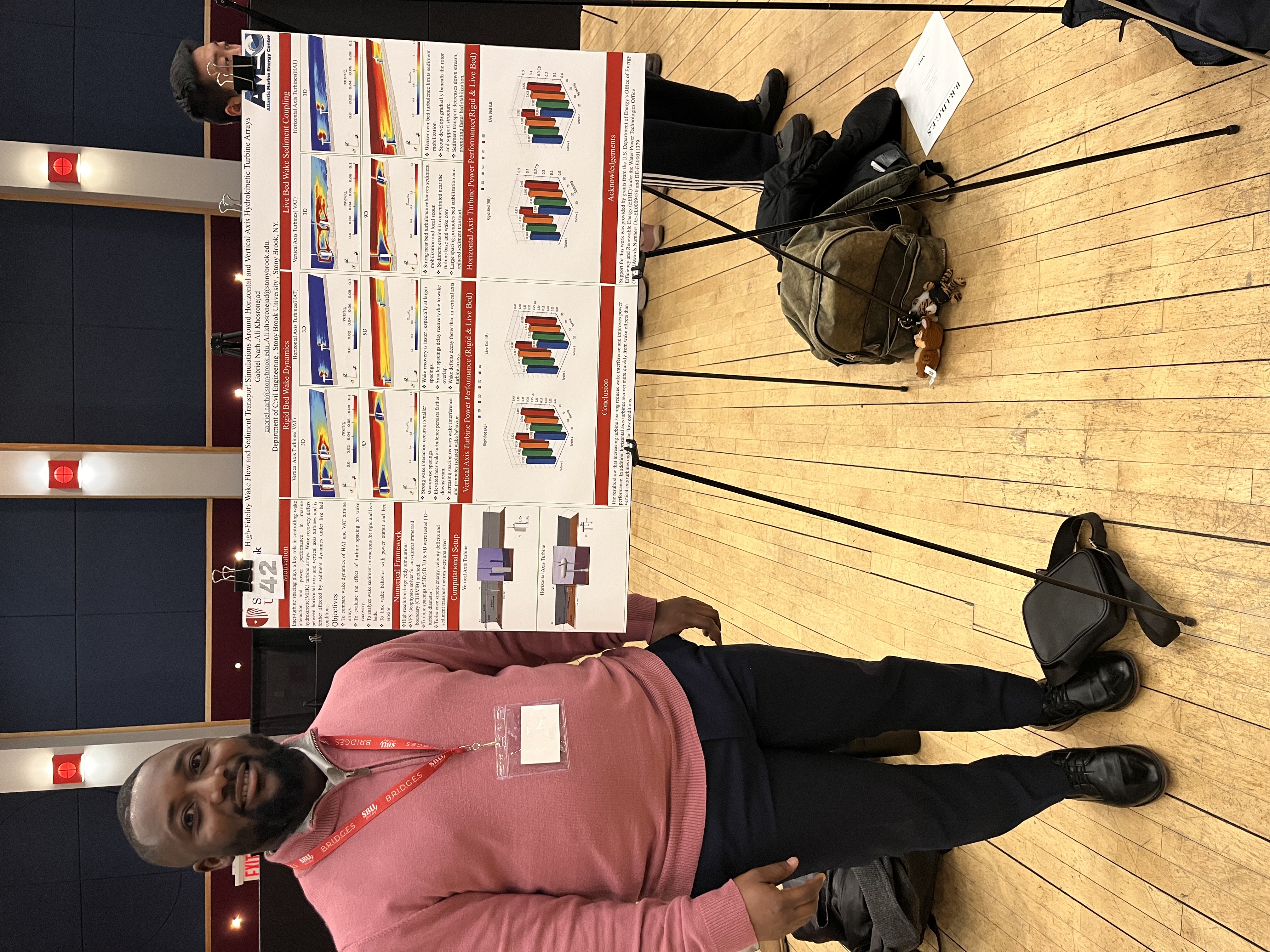 |
Gabriel Narh | Ali Khosronejad | High-Fidelity Wake Flow and Sediment Transport Simulations Around Horizontal and Vertical Axis Hydrokinetic Turbine Arrays |
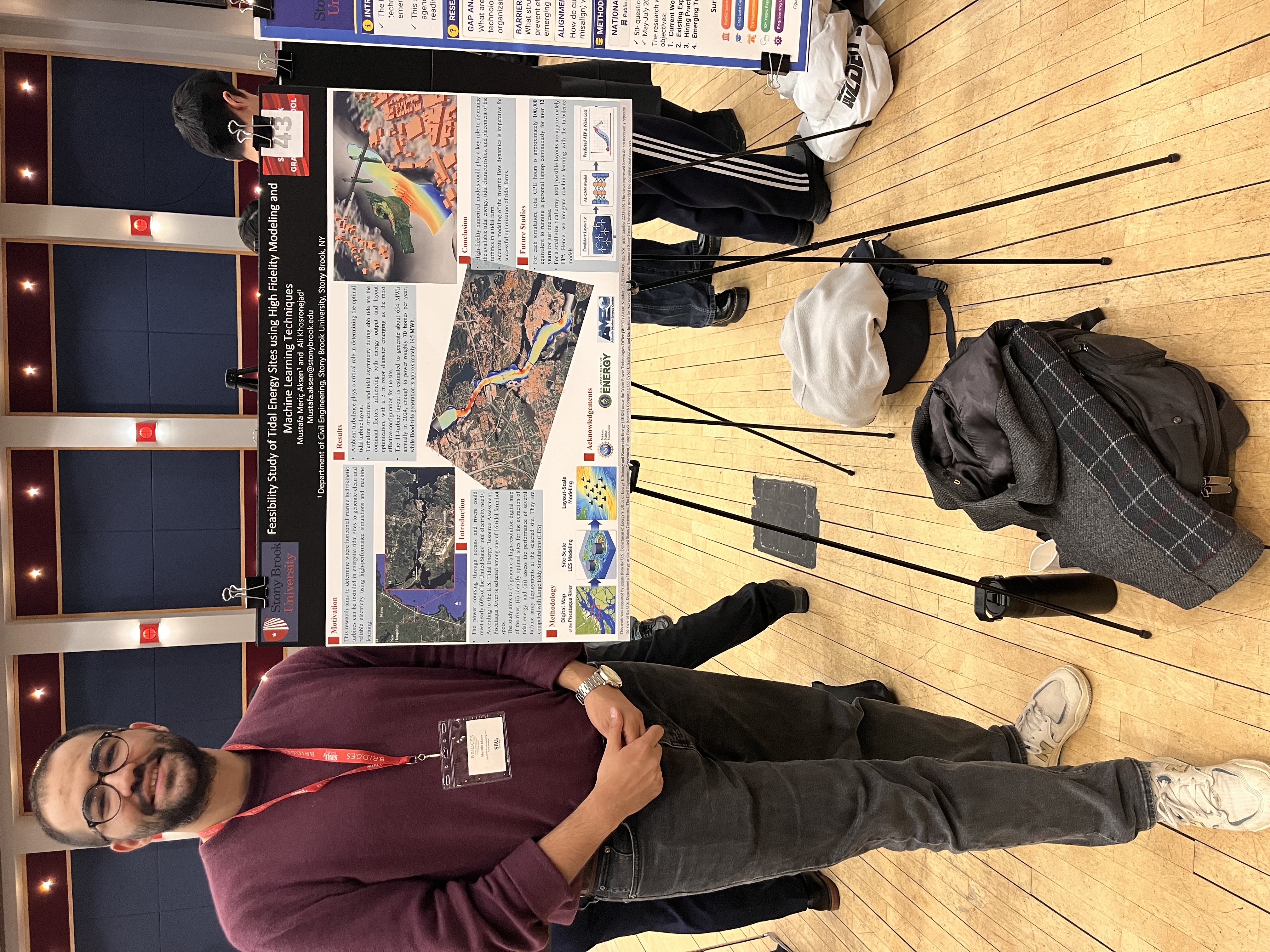 |
Meriç Aksen | Ali Khosronejad | Feasibility Study of Tidal Energy Sites using High Fidelity Modeling and Machine Learning Techniques |
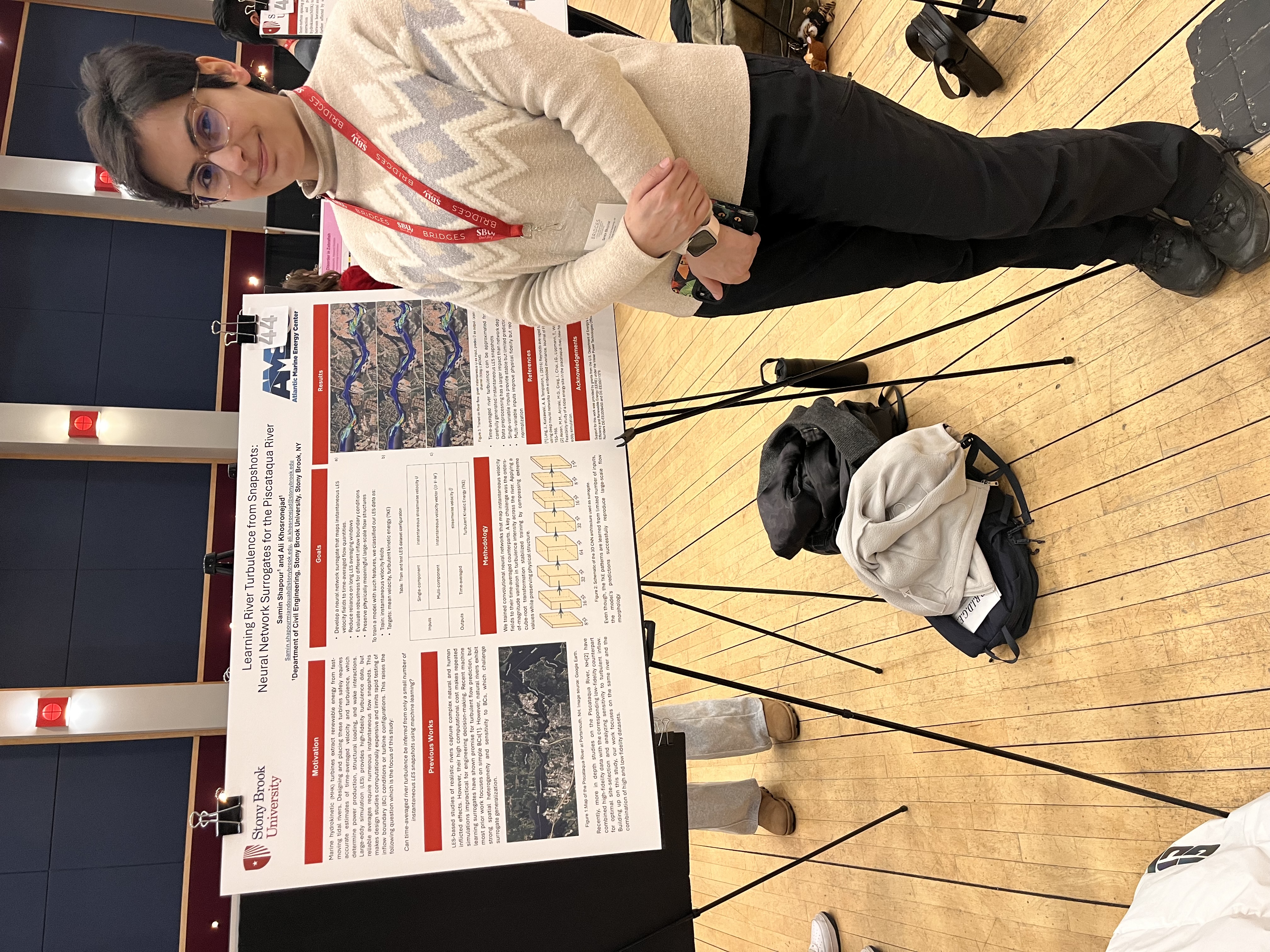 |
Samin Shapourmiandouab | Ali Khosronejad | Learning River Turbulence from Snapshots: Neural Network Surrogates for the Piscataqua River |
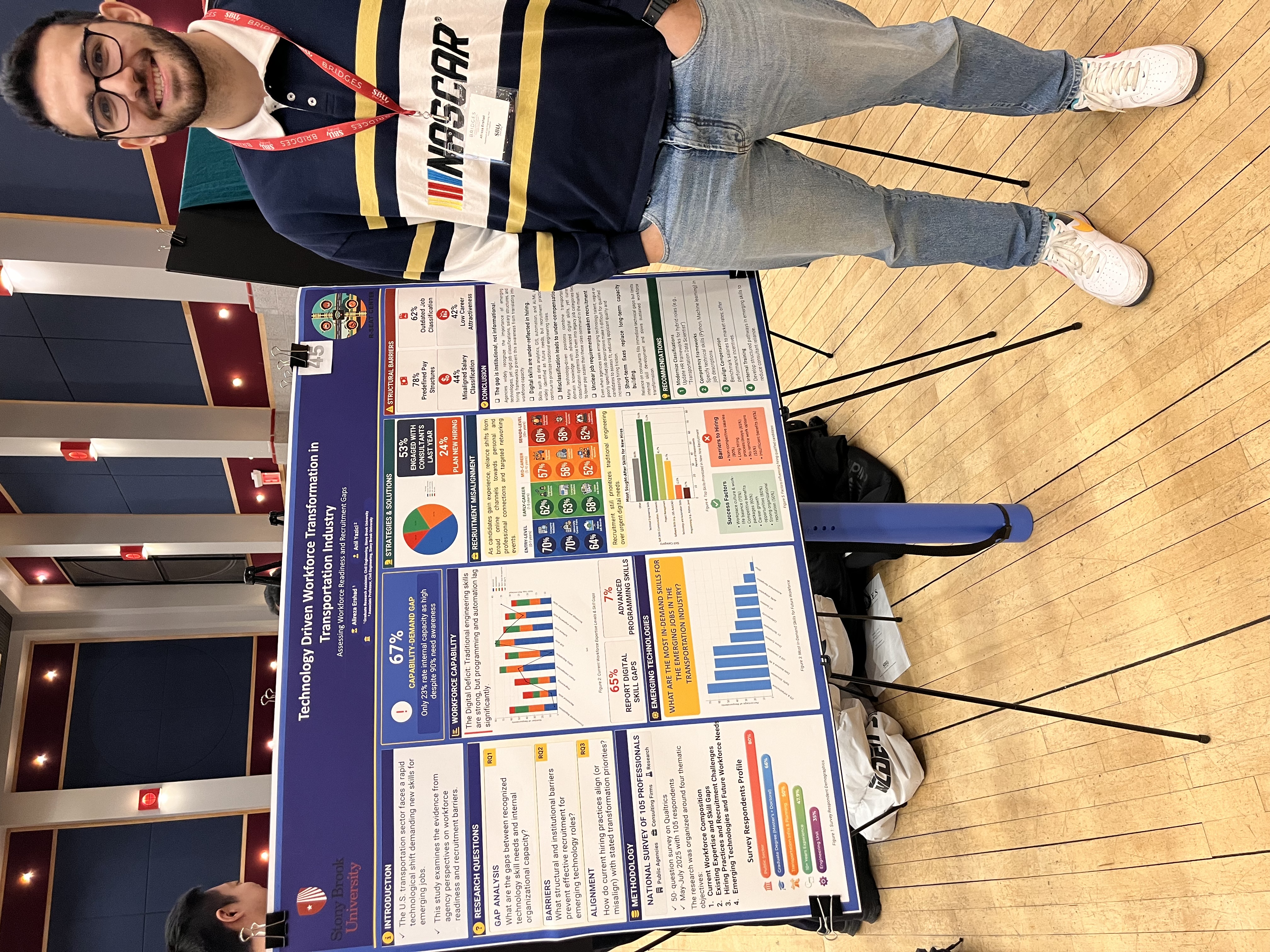 |
Alireza Ershad | Anıl Yazıcı | Technology Driven Workforce Transformation in Transportation Industry |
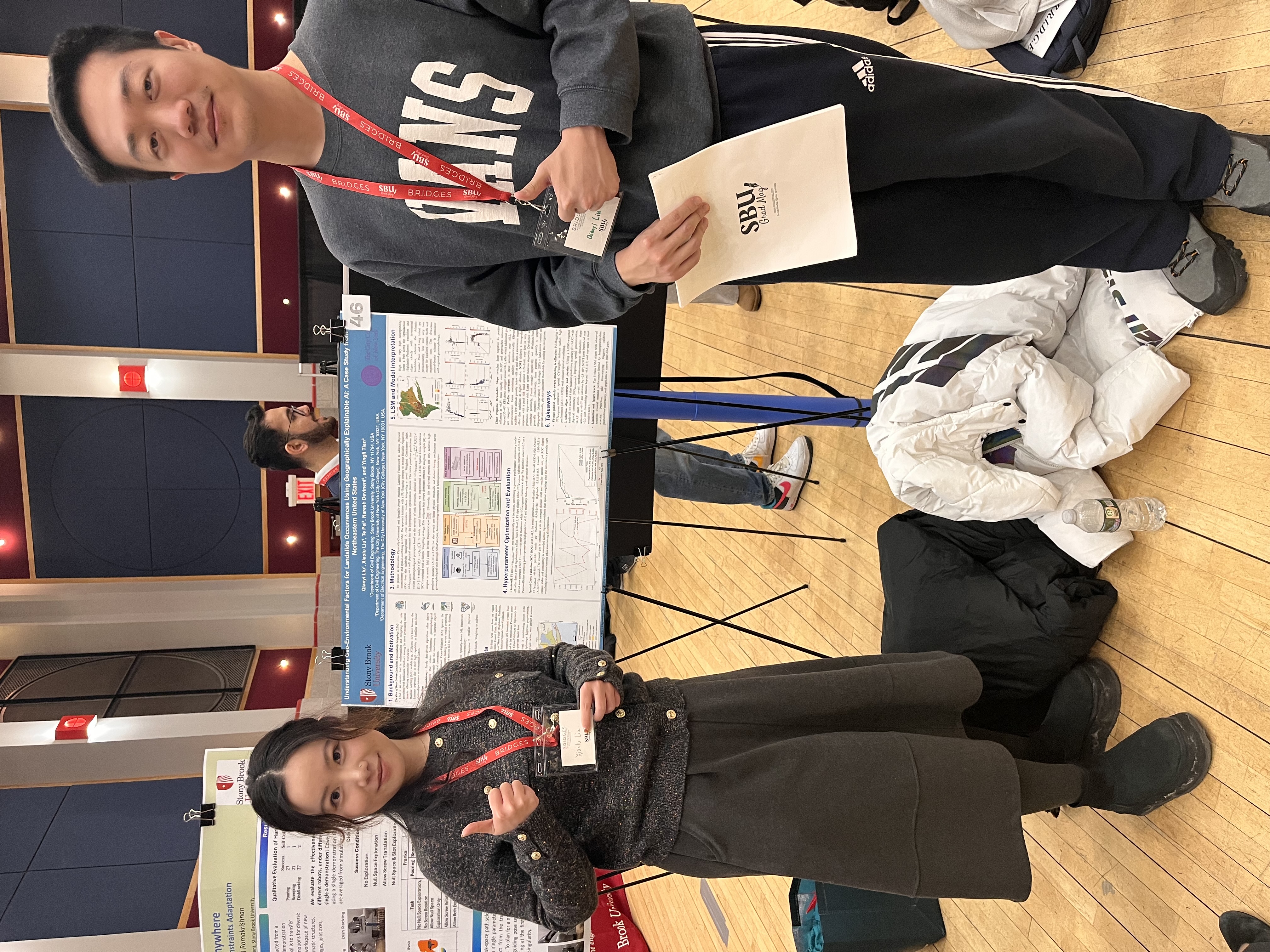 |
Qianyi Liu, Xiaolu Liu | Te Pei | Understanding Geo-Environmental Factors for Landslide Occurrences Using Geographically Explainable AI: A Case Study from the Northeastern United States |